Hurricane Season 2026 Preparedness for the CSRA: What We Learned from Helene
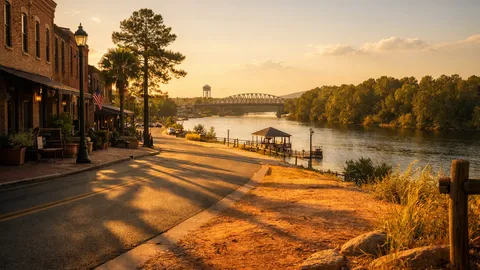
We'll never forget September 2024. When Hurricane Helene roared through the CSRA, many of us learned a hard lesson: being 200 miles from the coast doesn't make you storm-proof. Trees came down across Augusta and Aiken. Power lines snapped like twigs. Roads flooded. Families went days without electricity in the late summer heat. Some neighborhoods in Columbia County looked like a tornado had swept through.
If you've been telling yourself that hurricanes are a coastal problem, Helene proved otherwise. And with the 2026 Atlantic hurricane season starting June 1, now's the time to get serious about preparedness. Because the next storm isn't a matter of if — it's when.
What the 2026 Hurricane Season Forecast Tells Us
Colorado State University's hurricane research team released their early 2026 forecast in April, and the numbers should get our attention. They're predicting an above-average season with 17 named storms, 8 hurricanes, and 4 major hurricanes (Category 3 or higher). For context, an average season produces 14 named storms.
Why the elevated forecast? Ocean temperatures in the Atlantic remain warmer than normal, and the El Niño/La Niña cycle is favoring storm development. The same atmospheric conditions that set the stage for Helene's destructive inland push could repeat in 2026.
Here's what matters for us in the CSRA: even storms that weaken before landfall can still pack hurricane-force winds 200+ miles inland. Helene made landfall as a Category 4 in Florida's Big Bend, but she was still dropping trees and knocking out power across Augusta and Aiken hours later. The Savannah River rose to concerning levels. Some Columbia County neighborhoods saw localized flooding that caught residents completely off guard.
Why the CSRA Is More Vulnerable Than You Think
Let's talk about our specific risks. Augusta and Aiken aren't Charleston or Savannah, but we have vulnerabilities that coastal areas don't deal with.
Our tree canopy is beautiful — and dangerous. The CSRA is lush with mature oaks, pines, and pecans. In Richmond County and Columbia County, neighborhoods are essentially carved into forests. When hurricane-force winds hit, these trees become projectiles. Helene took down thousands of trees across the region, many of them crashing onto homes, cars, and power lines. If you live under a canopy, you're in the strike zone.
Our power infrastructure is aging. Much of the electrical grid serving Augusta, Evans, Martinez, Grovetown, and North Augusta runs through wooded areas on above-ground lines. When trees fall, the lights go out — sometimes for days. After Helene, some Fort Gordon families waited nearly a week for power restoration. Aiken County fared slightly better, but not by much.
Flooding isn't just a river problem. Yes, the Savannah River can overflow its banks, but localized flooding from heavy rainfall is the bigger threat for most CSRA residents. Poor drainage in older Augusta neighborhoods means water has nowhere to go. Flash flooding can turn intersections into ponds in minutes. During Helene, several roads in Columbia County became impassable not because of the river, but because storm drains couldn't keep up.
We're not practiced at this. Coastal residents drill for hurricanes every year. We don't. When warnings come, many CSRA families scramble because they haven't thought about preparedness since the last big storm — whenever that was. Helene caught us flat-footed. We can't let that happen again.
Your CSRA Hurricane Preparedness Checklist
Here's what every household in Augusta, Aiken, and surrounding counties should have ready before June 1. Don't wait until a storm is three days out — stores will be picked clean and gas stations will have lines around the block.
Water and Food
- One gallon of water per person per day for at least three days (standard emergency guidance)
- Non-perishable foods that don't require cooking: canned goods, protein bars, peanut butter, crackers
- Manual can opener
- Baby formula and pet food if needed
Power and Light
- Flashlights and extra batteries (one per family member)
- Battery-powered or hand-crank weather radio
- Portable phone chargers, fully charged
- If you can afford it, a generator with enough fuel for 3-5 days (store fuel safely outside)
Medical and Personal
- Prescription medications (30-day supply if possible)
- First aid kit with bandages, antiseptic, pain relievers
- Any medical equipment that requires power (have backup plan)
- Hygiene items, including hand sanitizer and wet wipes
Important Documents
- Copies of insurance policies, IDs, and bank records in waterproof container
- Cash (ATMs won't work without power)
For Your Home
- Tarps and duct tape for emergency roof repairs
- Battery-powered or solar outdoor lights
- Coolers for food if power goes out
- Paper plates and plastic utensils
For Your Vehicle
- Keep gas tank above half-full during hurricane season
- Emergency kit in car with water, snacks, blanket, jumper cables
Local Emergency Resources You Need to Know
When a storm threatens the CSRA, here's who to listen to and where to go.
Richmond County Emergency Management Agency operates out of Augusta and coordinates all emergency response for the county. Follow them on Facebook (@RichmondCountyEMA) and check their website at augustaga.gov/emergency for real-time updates. Their channels become command central during storms, announcing shelter locations, road closures, and power restoration updates.
Columbia County Emergency Management serves Evans, Martinez, Grovetown, and surrounding areas. Find them at columbiacountyga.gov/emergencymanagement and follow @ColumbiaCountyGA on Facebook. After Helene, they set up cooling centers and charging stations at local schools when power outages stretched into day four and five.
Aiken County Emergency Services coordinates response on the South Carolina side. North Augusta residents should monitor aikencountysc.gov/emergency and follow their social media alerts.
Fort Gordon plays a critical role in regional emergency response. The installation has its own emergency management team and can mobilize resources quickly. During Helene, Fort Gordon opened its gates to help with debris removal and provided additional manpower to assist surrounding communities. Military families should follow installation emergency alerts closely through official Fort Gordon channels.
Shelter locations vary by storm but typically include:
- Augusta public schools (announced by Richmond County — past shelters have included Glenn Hills High School and other facilities)
- Columbia County recreation centers like the Euchee Creek Park Community Building
- Aiken County designated shelters at schools and community centers
- Churches and community centers that volunteer space
Do NOT assume shelters will accept pets. Make plans now for your animals — identify pet-friendly hotels outside the CSRA or arrange with family or friends.
Emergency phone numbers:
- Richmond County Emergency Management: (706) 821-2396
- Columbia County Emergency Services: (706) 541-4077
- Aiken County Emergency Services: (803) 642-1761
When to Prepare vs. When to Act
Timing matters in hurricane preparedness. Here's a realistic timeline for CSRA residents when a storm enters the Gulf of Mexico or Atlantic with potential CSRA impact:
5-7 Days Out: Monitor forecasts. Top off your supplies if anything's running low. Fill prescriptions early. Check your emergency kit.
3-4 Days Out: Fill your gas tank. Withdraw cash. Charge all devices. Secure outdoor furniture, grills, and anything that could become a projectile. Trim any obviously dangerous tree limbs if you can do so safely.
48 Hours Out: Grocery stores will be slammed. If you haven't shopped yet, go now. Fill bathtubs with water (for flushing toilets if water service is disrupted). Know your evacuation route if you're in a flood-prone area.
24 Hours Out: Stay home. Monitor local emergency management social media and local news. Charge devices one final time. Move vehicles away from large trees if possible. Bring pets inside.
During the Storm: Stay inside and away from windows. Never go outside during the eye of the storm — the back side is coming. Wait for all-clear from local emergency management before venturing out.
After the Storm: Assume all downed power lines are live. Don't drive through standing water. Take photos of any property damage for insurance before cleaning up. Check on neighbors, especially elderly residents.
The Bottom Line
Hurricane Helene reminded us that the CSRA isn't immune to tropical systems. With an active 2026 season forecast, we need to take inland hurricane safety seriously. That means preparing now — in May, before the peak of storm season — not scrambling when a storm is 48 hours away.
Stock your emergency kit. Know your local resources. Have a family communication plan. And pay attention when emergency management directors issue warnings. They learned from Helene too.
Because the next time a hurricane curves north through Georgia, we'll be ready. Our neighbors will be ready. And the CSRA will weather the storm together — literally and figuratively.
Related Posts
Hurricane Preparedness: What Every CSRA Resident Needs to Know Right Now
CSRA Spring Weather Guide: Navigating Temperature Swings, Freeze Warnings, and Severe Storm Season
Spring Severe Weather Preparedness in the CSRA: What to Know About Tornado Season
Local Businesses Mentioned
Explore these CSRA businesses mentioned in this article
Explore Local Businesses
Browse related categories in our directory